AI Product Fiscal App Design Engineering Full-Stack Solo

Klaro

Type Solo Product · Design & Engineering
Role Product Designer & Builder
Scope UX Research · AI Architecture · Full-Stack Development
Duration 3 Months

Klaro was born out of a problem I watched repeat itself every year in Berlin. Spanish-speaking freelancers who had built real careers in Germany would hit the same wall every spring: a tax declaration in legal German, designed for people who grew up understanding what the Finanzamt wants. Most of them did not try to learn the system. They paid someone else to deal with it. Between €300 and €800 a year, not for expert advice, but for the psychological relief of having another person be responsible if something went wrong. The ones who tried to do it themselves spent hours reading forms they could not fully parse, in a language that was not theirs, never sure if they were doing it right.

A Spanish-first fiscal AI advisor that saves each user between €300 and €800 a year and replaces the anxiety of the process with a guided, personalized experience in their own language.

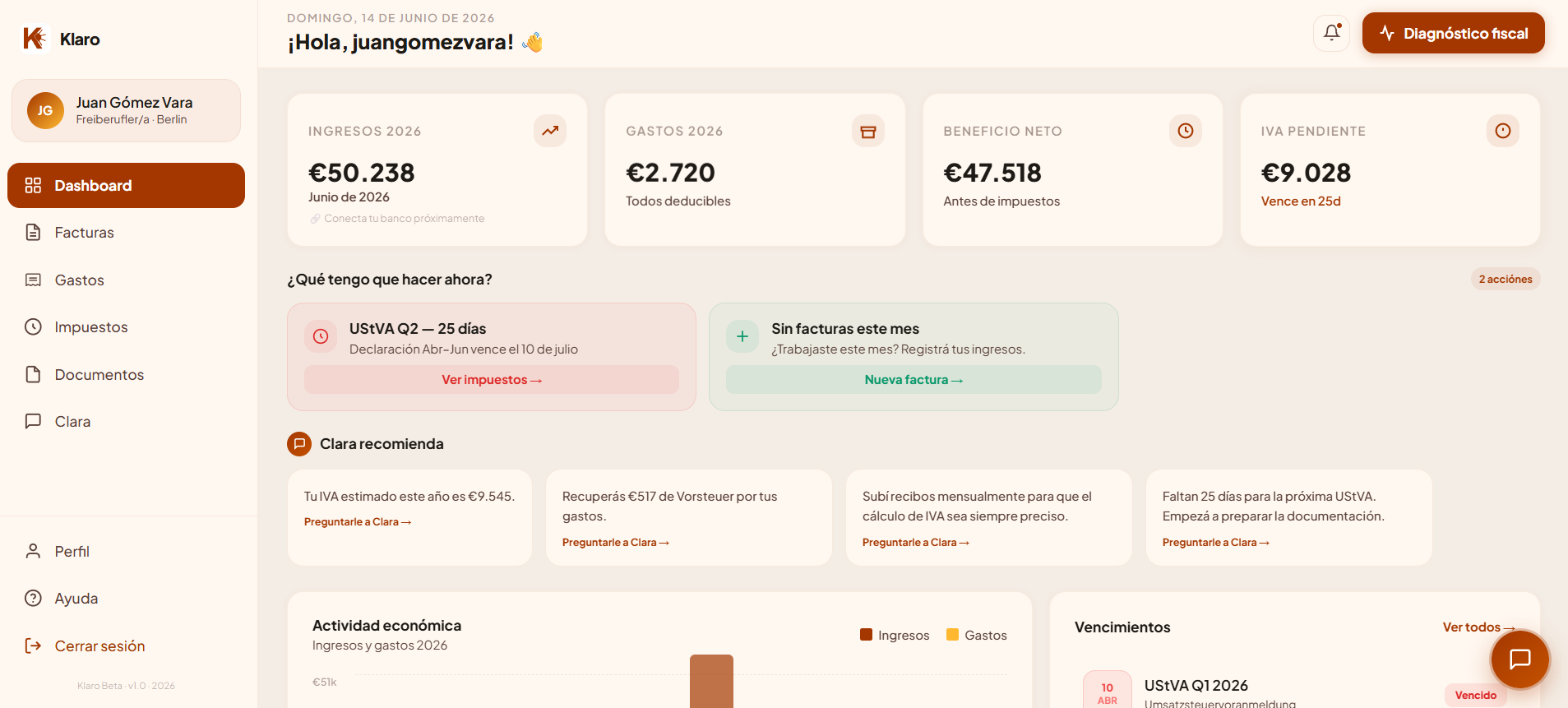
Klaro — AI fiscal advisor dashboard for Spanish-speaking freelancers in Germany
The Problem

The Language
War.

Every year, between January and July, Spanish-speaking freelancers in Germany face the same system: a tax declaration in legal German, with no translation, no guidance, and no margin for error. Most of them pay a Steuerberater between €300 and €800 a year. Not because they need a tax expert, but because they need someone to feel responsible for the outcome. That is not a tax problem. That is a confidence problem. And no tool was designed to solve it in Spanish.

Spanish speakers at home

354,000 people speak Spanish at home in Germany. 0.4% of the population. Mikrozensus 2024.

Steuerberater annual cost

What a tax advisor charges per year. Not for advice, but for the peace of mind of having someone else responsible.

Potential users

Of an estimated 1.5 million foreign freelancers in Germany, around 175,000 are Spanish speakers. No tool existed for any of them.

German tax forms complexity — the problem visualised
Benchmark

What already exists and what's missing.

Before defining what Klaro should be, I needed to understand what already existed. I analyzed the two main competitors in the German freelancer tax space.

Accountable Most complete

The most complete tool in the market. Covers income and expense tracking, VAT declarations, tax estimation, and recently added an AI advisor. But only available in German and English, and the AI is locked behind a premium plan.
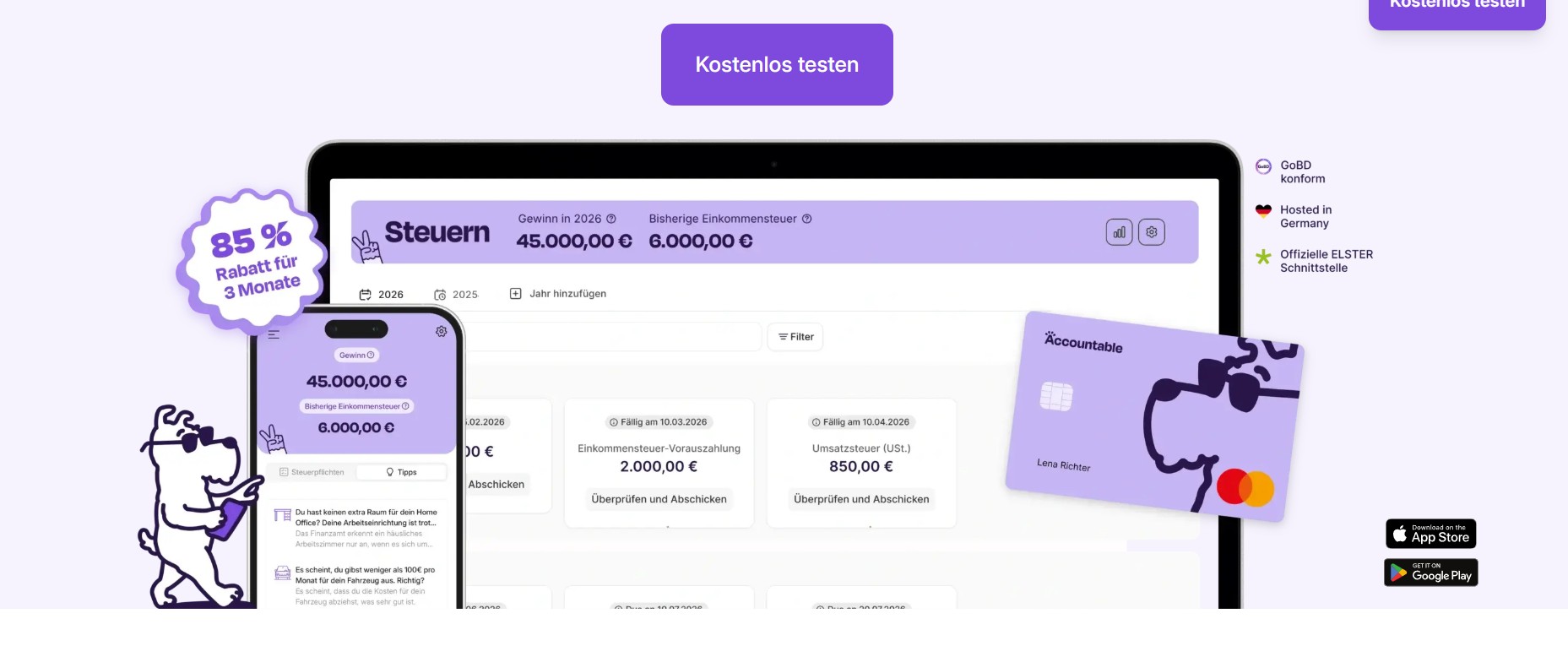
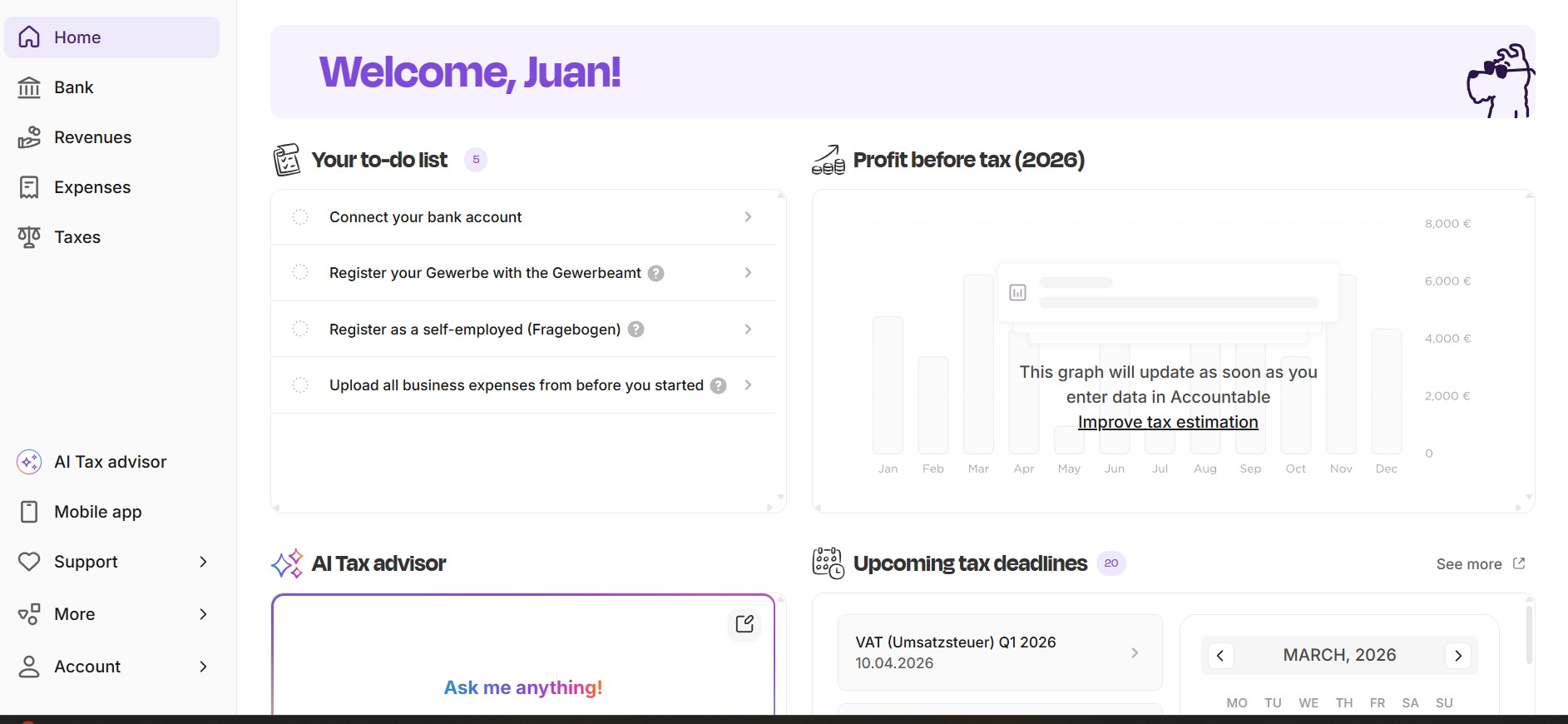
Accountable dashboard Accountable homepage
Sorted Cleaner UX

A cleaner, more focused tool. Guides freelancers through tax declarations in English. Good UX, clear language. But English only, no Spanish, and no AI advisor.
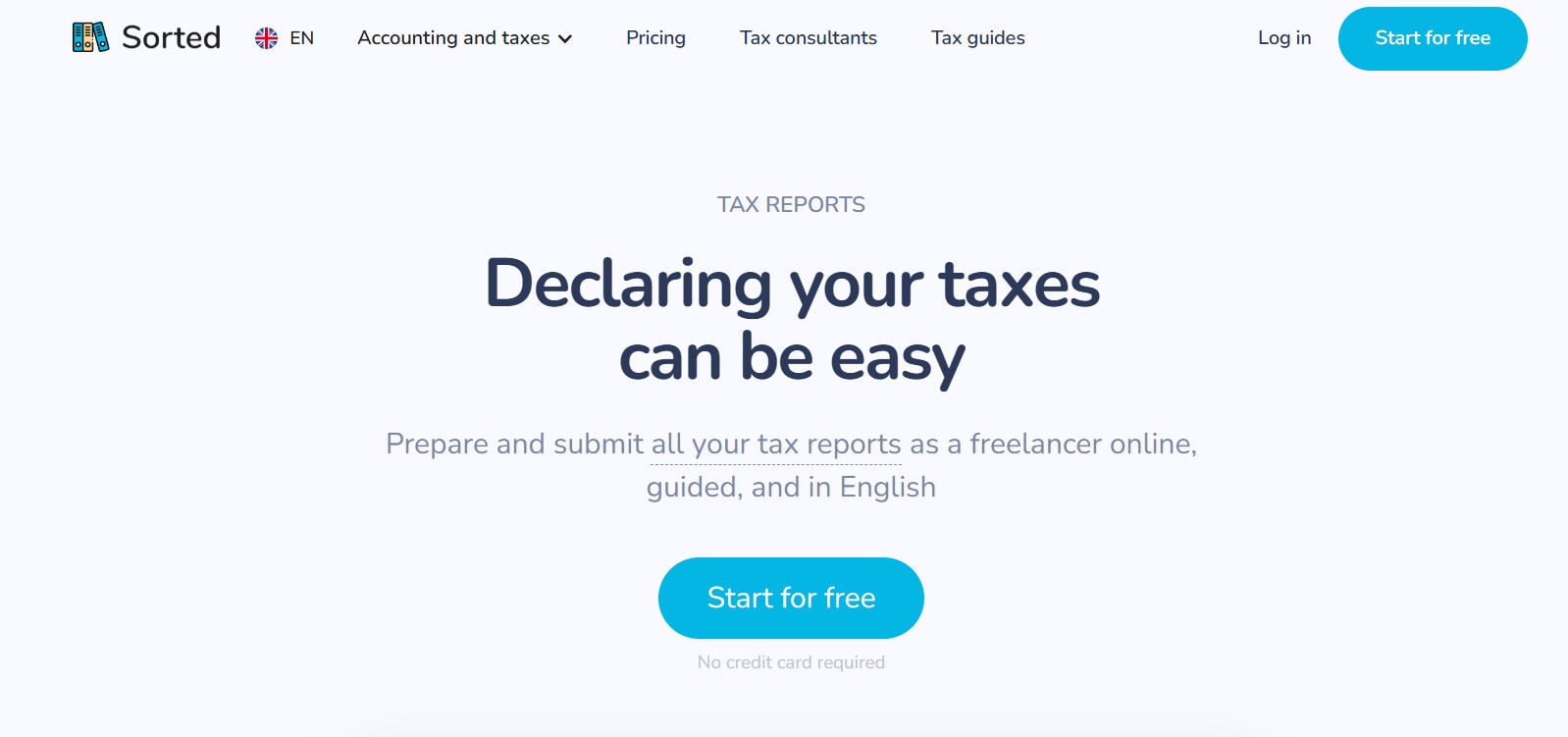
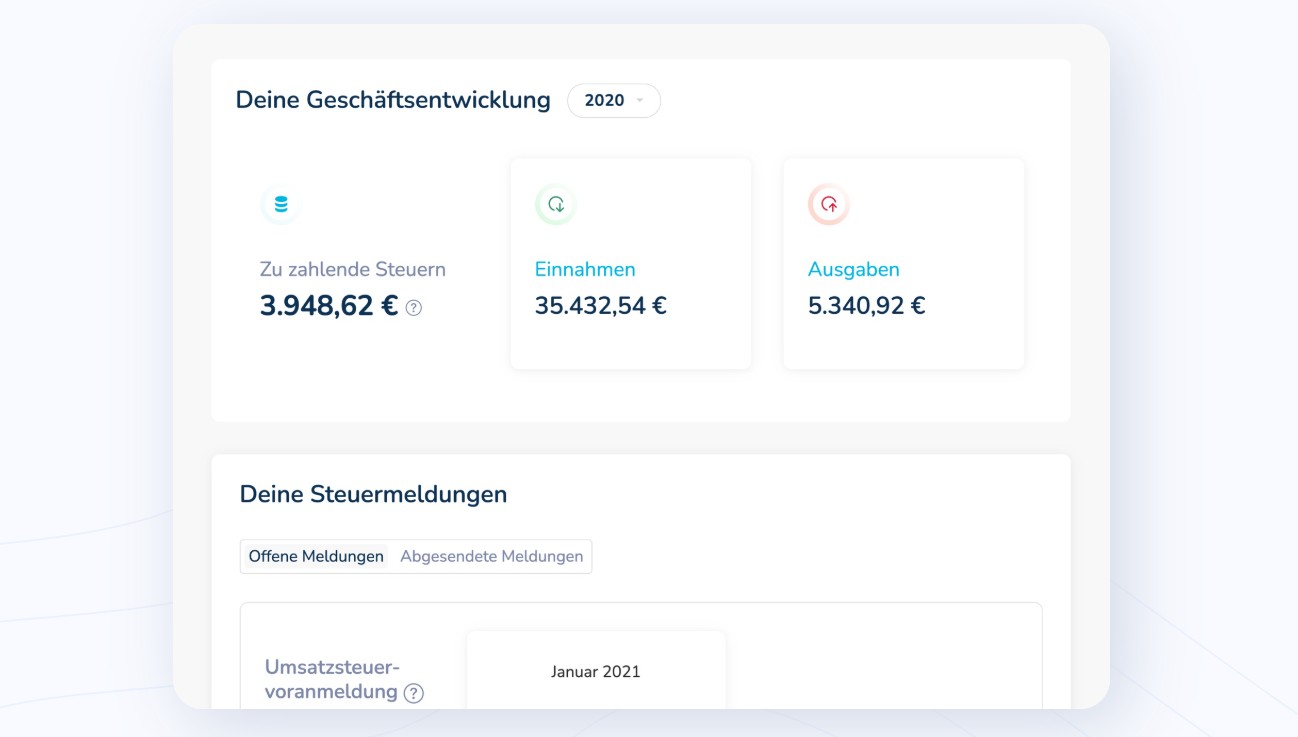
Sorted tax declaration Sorted onboarding flow
Accountable Sorted Klaro
Spanish language
AI advisor Premium only Core product
Personalized profile
Emotional tone Friendly Neutral Trusted advisor
Quantitative Research

What the data
actually revealed.

Before writing a single line of code, I went out to listen. I ran a quantitative survey with Spanish-speaking freelancers living in Germany to validate the problem.

More time does not mean more confidence
Hours invested in tax preparation vs. perceived confidence (1 to 5)
The most surprising insight: time invested has no positive correlation with confidence. More effort doesn't solve the problem. Guided, personalized support does.
The Spanish language gap
Did you find useful information in Spanish about the Steuererklärung?
5 out of 9 respondents found little or no useful information in Spanish. The clearest market gap of all.
The abandonment funnel
Of 9 respondents who knew about the process and searched for information
9
Knew about the Steuererklärung
9
Searched for information
7
Attempted the declaration
4
Completed it
1
With real certainty
Only one in nine reaches confident completion. That is the gap Klaro was built to fill.
Main obstacles
What stopped you from filing with confidence?

The data confirmed what I suspected but also revealed something I did not expect: the emotional dimension of the problem is as significant as the technical one. Anxiety, not ignorance, is the real barrier.

Qualitative Research

What it actually
felt like.

The numbers told me there was a problem. The interviews told me what it actually felt like. I conducted qualitative interviews with Spanish-speaking freelancers in Germany across different profiles, experience levels, and cities. The goal was not to validate what I already knew. It was to understand the emotional texture of the problem.

"

"Every year I finish with a knot in my stomach. I know I'm leaving money on the table, but I would rather not risk it."

Portrait of Juan Nasra Juan Nasra · Freelance Designer | Filmmaker · Berlin
"

"My biggest fear is getting it wrong and being fined."
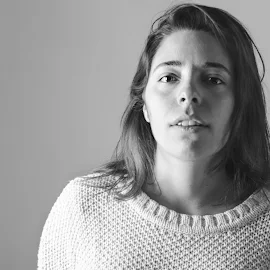
Portrait of Maria Burghi Maria Burghi · Freelance Designer · Berlin
Process & Key Decisions

Defining what Klaro
had to stop trying to be.

With the research done and the benchmark clear, I had everything I needed to define what Klaro had to be.

Defining the USP
Compete on segment, not features
The benchmark was clear: Accountable already does invoicing, expense tracking, VAT declarations, and now has an AI advisor. Building the same feature set in Spanish would have been the safe move. It was also the wrong one. The research pointed somewhere else: the gap was not features, it was language and trust. Klaro does not compete with Accountable on what it does. It competes on who it does it for.
Clara's Voice
A knowledgeable friend, not a form
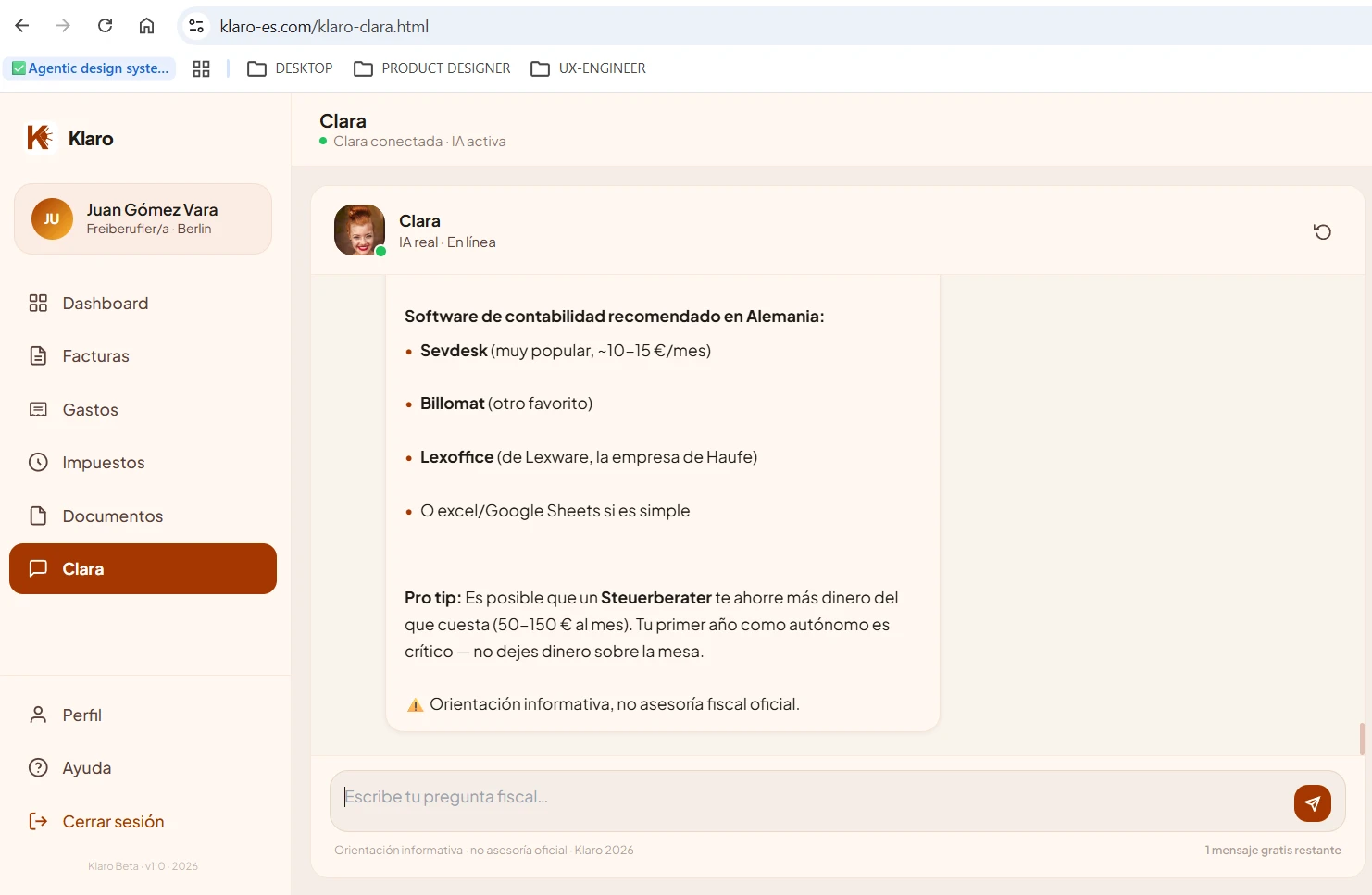
The most deliberate design decision was how Clara speaks. Not like a tax form. Not like a legal document. Like a knowledgeable friend who happens to understand German tax law, and explains it in plain Spanish, with German terminology preserved inline where it matters. Always in Spanish. German terms preserved but always explained. Never overpromising.
Product Philosophy
Clara is the product, not a premium feature
Every competitor that has an AI advisor buries it behind a paywall. That choice reveals a product philosophy: AI is a bonus, not the core. Klaro bets the opposite. Clara is available from the first session, for every user, on every plan. Because the emotional value of the product only works if Clara is always there. A trusted advisor you have to pay extra to access is not a trusted advisor.
How it was built

No Figma.
Just a live product.

Klaro was built differently from the start. There was no Figma file. No handoff document. No gap between design and code. Every screen was designed and shipped simultaneously using Claude Code, an AI-native development workflow where product decisions, visual design, and implementation happened in the same cycle.

Traditional workflow
Research
Wireframes
Figma
Handoff
Development
QA
Launch
Klaro's workflow
Research
Claude Code
Live product →

Every iteration happened directly in the browser. Design decisions were validated against real data from Supabase, not static mockups.
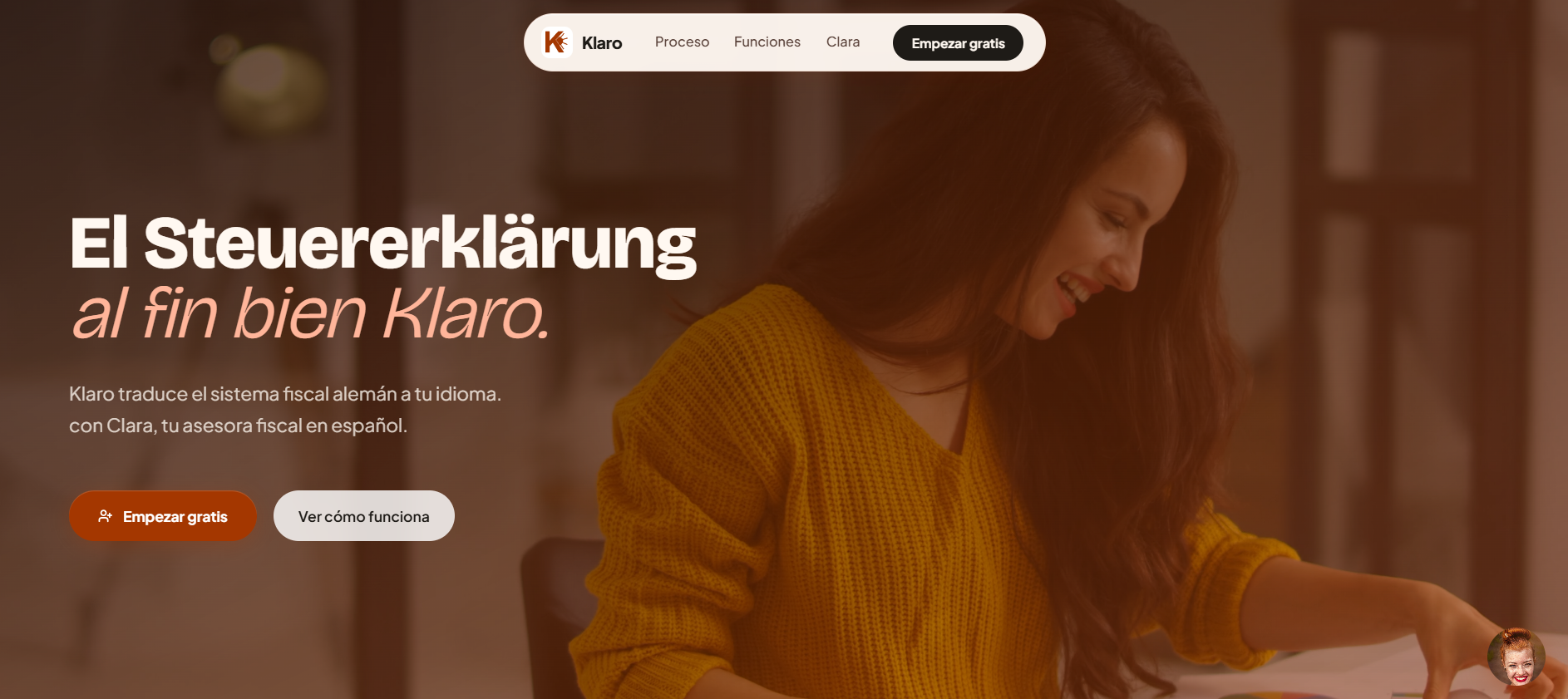
Klaro AI fiscal advisor dashboard for Spanish-speaking freelancers in Germany
Key Screens

Five surfaces. One coherent system.
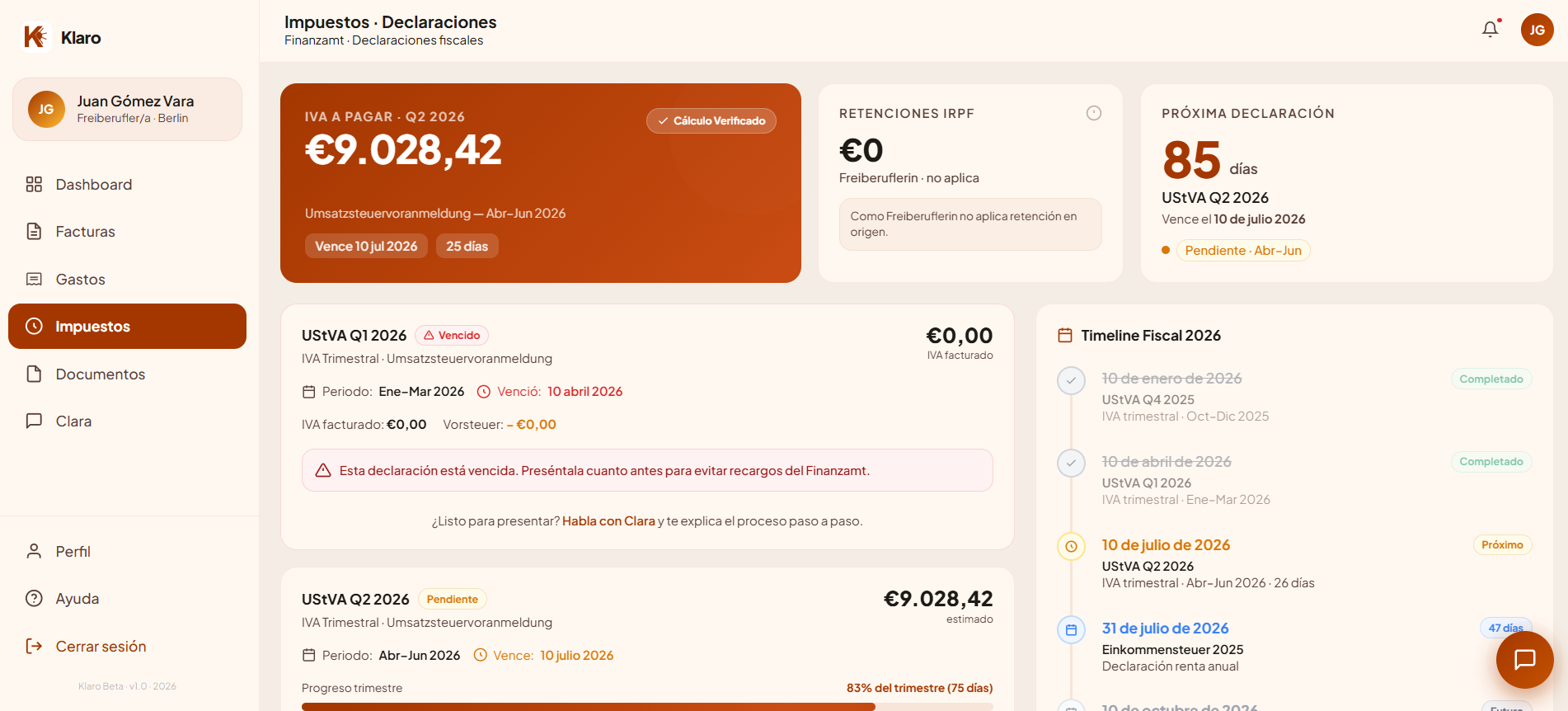
01
Dashboard
Fiscal status at a glance. Profile type, active tax obligations, upcoming deadlines with countdown, and any open alerts from the Validador. Blocked until the Diagnóstico is complete. No misleading numbers.
Klaro dashboard screen
02
Clara
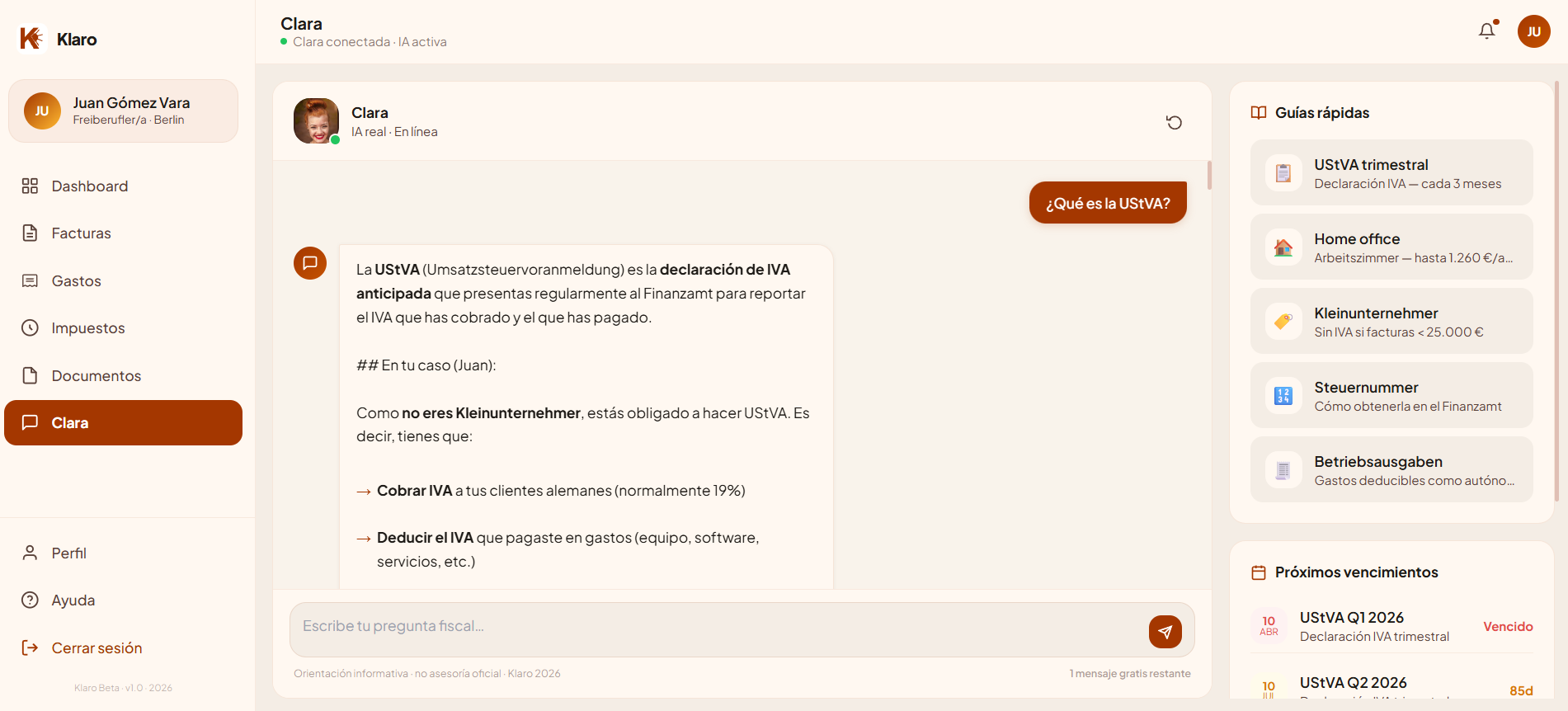
The main interface. A chat UI where users ask anything about German taxes in Spanish. Clara already knows who you are. German terms preserved inline, always explained in context. Three suggested questions on first load, based on the fiscal profile.
Clara AI chat interface
03–05
Invoices · Expenses · Taxes
Invoice creation with Kleinunternehmer lock: if you are under the €22,000 threshold, tax rate is forced to 0. Expense tracking with receipt upload. EÜR with year selector (2024/2025/2026) and real German tax brackets. UStVA quarterly tracking.
Klaro impuestos screen
Prototype

See it in
action.

AI in the Design Process

One tool per
phase of the process

AI was not a single tool. It was a system of specialized tools, one matched to each phase of the Design Thinking process.
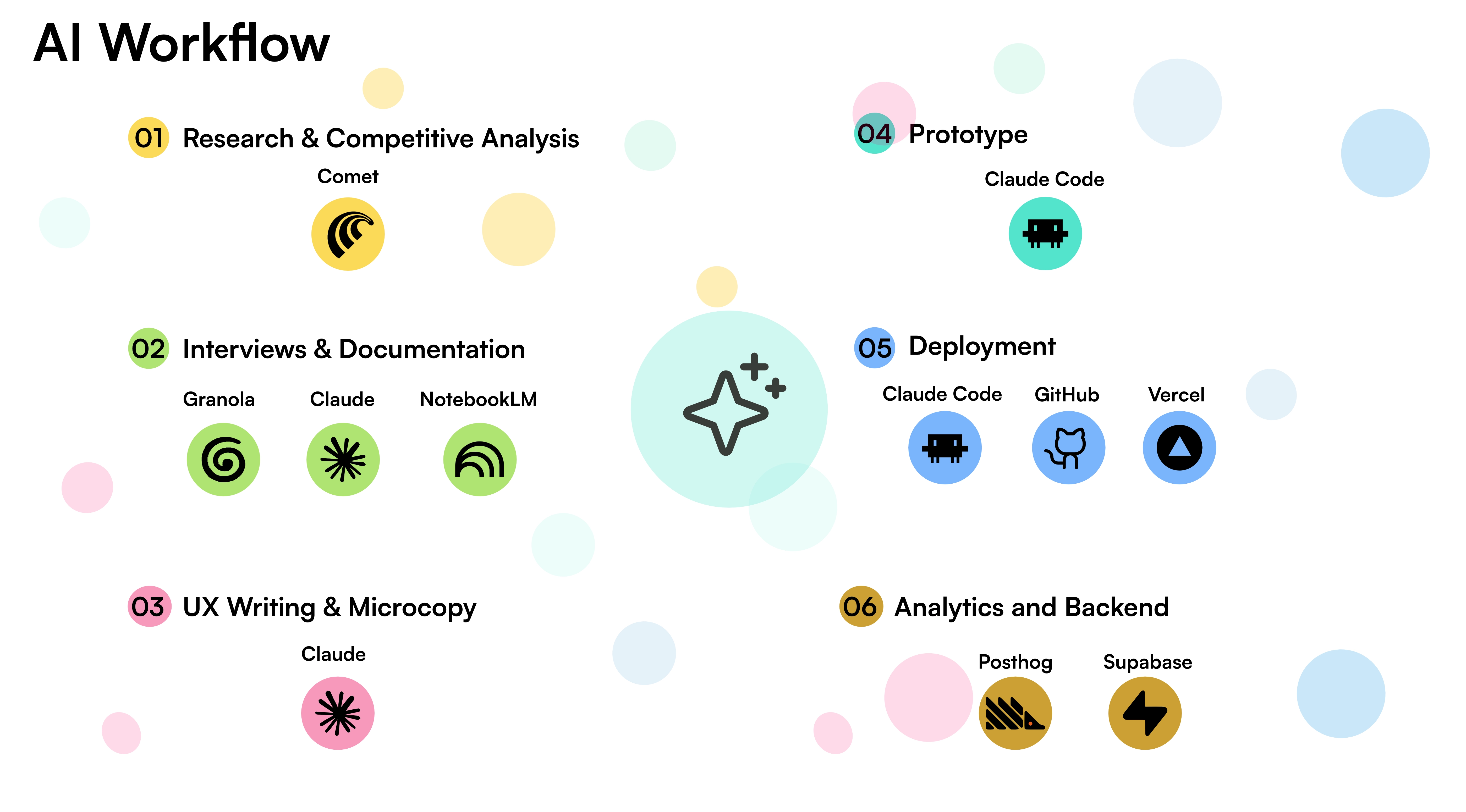
AI workflow across the design process
KPIs

Four metrics that
actually matter.

Must KPI for Product
Profile Completion Rate
Signal GA4 custom event profile_completed
Why Without a complete profile, Clara cannot be personalized. This is the activation gate. If users skip it, the core product promise fails before it starts.
Must KPI for Product
Conversational Engagement Rate
Signal GA4 custom event clara_message_sent
Why More messages means more trust. Users are asking real questions. This is the signal that tells us Clara is replacing the Steuerberater, not just supplementing it.
Metrics for Business
Free to Paid Conversion Rate
Signal GA4 custom event upgrade_clicked
Why Conversion from free tier to Invoicing Plus. The business signal and a proxy for trust. Users do not pay for a tax tool they do not believe in.
Metrics for Impact
Cost Saved per User €300–800
Period Per year
Why What each user stops paying a Steuerberater once Klaro replaces the need. Not a projection. The actual cost of the problem Klaro eliminates.
Product Outlook

The MVP is live.
This is where it goes next.

Klaro is live. The core pipeline works. But the MVP is just the beginning.
Gmail + Google Calendar Integration
Feature Clara reads Finanzamt notifications and syncs fiscal deadlines automatically to the user's calendar
Goal Zero missed deadlines, zero panic-reading German letters alone
ELSTER Export
Feature Structured PDF export of the user's fiscal summary: EÜR, deductions, profile, for use with ELSTER or a Steuerberater
Goal Reduce Steuerberater dependency from full delegation to a single verification call
Mobile
Feature React Native version. Clara on mobile without rebuilding the product from scratch.
Signal Research showed users interact with tax questions on the go: forwarding letters, asking quick questions between meetings.
Note Klaro was built without a design system. Before mobile, that debt needs to be resolved. A token-based system comes first.
Lessons Learned

What this project
taught me.

End-to-end ownership changes how you think about design
Building Klaro from scratch (PRD, research, architecture, code, launch) gave me something a UI-only project never could: a complete view of the product ecosystem. Design stopped being about interfaces and became about decisions. Every screen is a choice that influences the user's next choice, which influences a business outcome, which feeds back into the product. Working end-to-end made that chain visible. I cannot un-see it.
No design system was a deliberate experiment
Klaro was intentionally built without a predefined design system to observe how AI interprets visual decisions when left without constraints. The result confirmed the hypothesis: without tokens, components and clear visual rules, AI fills the gaps with its own interpretation, and those interpretations accumulate and drift across screens. The conclusion is clear: in any future AI-native project, the design system comes first. Not as a deliverable. As the foundation.
Frontend is great. Backend is greater.
The most unexpected shift in this project was discovering that the most interesting design decisions did not live in the UI. They lived in the architecture. How the three agents communicate. What context Clara receives before the first message. How the Validador shapes what the user sees on the dashboard. Understanding the backend made me a better designer because I finally understood what I was actually designing: not screens, but a system. That wider view is the most valuable thing this project gave me.